

Destination Management Companies play a very important role in the travel and tourism industry. A DMC is not just a service provider; it is a destination expert, local operator, experience creator and trusted partner for travel agencies, tour operators, corporates and direct travellers. But in today’s travel market, having destination knowledge alone is not enough. To succeed, DMCs need a proper online presence that supports their business model, improves trust and makes it easier for partners and customers to enquire, book and pay.
Many DMCs still depend on template-based CMS websites. In the early stages, this may look acceptable because the website is live, the pages look decent and basic destination information can be published. But in a short time, most DMCs realise that such websites are not aligned with their real business requirements. A DMC website cannot be treated like a simple company profile website. It should work as a business support platform, helping the company manage products, enquiries, pricing, inventory, bookings and payments in a more structured way.
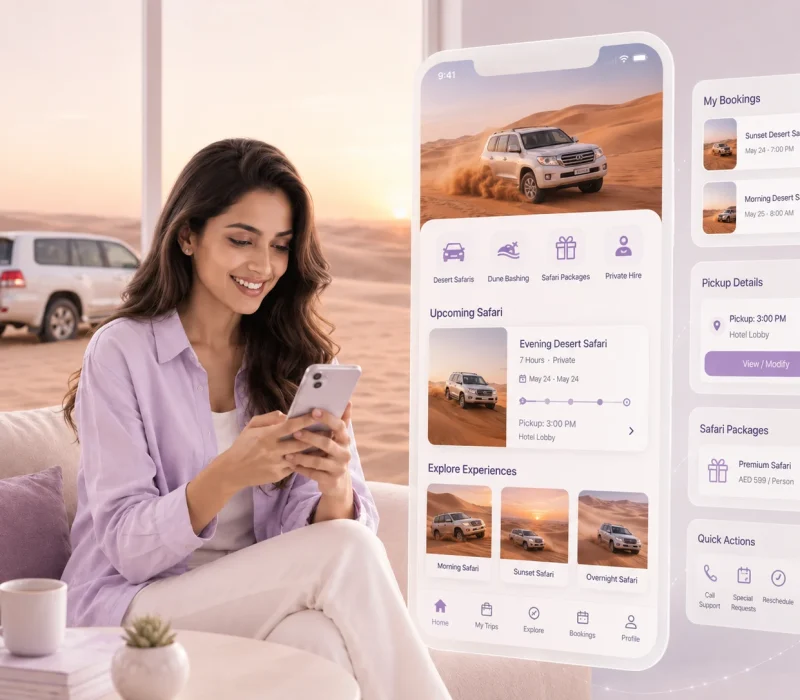
A proper DMC website should clearly present the company’s destination expertise, services, packages, tours, activities and special arrangements. It should also support the operational side of the business. For example, if a customer or travel partner wants to book a tour, hotel package or transfer, the website should allow enquiry or booking with proper details. In many cases, the DMC may need to collect an advance payment to guarantee the booking. Without a proper payment collection option, the booking process becomes slow, manual and less reliable.
Another important requirement is passenger-type-based pricing. In travel, the price is not always the same for every passenger. Adults, children, infants, senior travellers or group members may have different pricing rules. Some tours may offer child discounts, while others may require separate pricing for private transfers, shared tours or group departures. A basic CMS website cannot handle these calculations properly. A DMC website should be able to calculate pricing based on passenger type, number of travellers, travel date and selected services.
Inventory management is also an important part of a DMC’s online presence. DMCs deal with tours, activities, vehicles, guides, hotel allocations, attraction tickets and destination experiences. If there is no inventory or availability management, the team may have to check everything manually before confirming each booking. This can delay responses and create confusion. A proper website or booking platform can help display available products, manage limited slots and support faster booking confirmation.
Mobile responsiveness is no longer optional. Travel partners and customers often check packages, tours and rates from mobile phones. If the website is not mobile-friendly, slow or difficult to use, users may leave quickly. A good DMC website should work smoothly on mobile, tablet and desktop, with clear navigation, fast loading pages and easy enquiry or booking options.
A strong DMC website should also include well-structured destination content. This includes tour descriptions, inclusions, exclusions, cancellation policies, pickup details, itinerary information, images, videos and frequently asked questions. Clear content reduces repeated questions and builds confidence among travel partners and customers. It also supports better search engine visibility, helping the DMC attract organic enquiries from people searching for destination services.
For B2B-focused DMCs, partner login and agent-friendly features can add strong value. Travel agencies may need special rates, downloadable itineraries, white-label quotations, booking status updates, vouchers and invoices. A proper online system can reduce manual communication and make the DMC more attractive to travel trade partners.
Some key features a DMC website should include are:
Destination, tour, activity and package listing
Easy enquiry and booking request forms
Advance payment collection for booking guarantee
Passenger-type-based pricing calculation
Inventory and availability management
Mobile-responsive design
Fast loading pages
Clear inclusions, exclusions and cancellation policies
Image and video-supported destination content
B2B partner login or agent access
Quotation, voucher and invoice support
Booking status and confirmation workflow
Payment gateway or secure payment link integration
SEO-friendly destination and service pages
CRM or enquiry management connection
Multi-currency and multilingual support, where required
A DMC’s website should not only look good; it should help the business grow. It should reduce manual work, improve response time, build trust and create a better experience for both travel partners and customers. Template-based websites may be useful for a quick start, but DMCs need to think beyond presentation. The real requirement is a digital platform that understands the travel business model. In a competitive travel market, DMCs that invest in a proper online presence will have a clear advantage. They can showcase their destination expertise better, manage enquiries more professionally, collect payments with confidence and support partners with faster service. A strong online presence is no longer just a marketing tool for DMCs; it is an important part of business operations and long-term success.

What Is the Right Solution for DMCs?
The right solution is not to force every DMC into the same ready-made structure. Not every Destination Management Company follows the same business rules, pricing methods, product structure or operational process. Each DMC may work with different destinations, supplier models, booking rules, payment terms and customer segments. That is why a DMC website or CMS should be customised in line with the actual business model.
A simple template-based website may only display content, but a proper DMC platform should support the way the business really works. The CMS should help the team manage packages, tours, activities, rates, inventory, booking conditions, payment collection, passenger-type pricing, multilingual content and destination-specific rules in a structured way.
White-label solutions may look easy at the beginning, but they can reduce branding uniqueness. When many agencies use the same structure, layout and booking flow, the websites start looking alike. End users are now smarter, compare options carefully and even use AI tools to evaluate travel products, pricing and service quality. A DMC needs a digital presence that reflects its own brand, destination expertise and service strength.
Global reach is also essential for modern DMCs. A website should support different source markets, currencies, languages, regional preferences and customised booking journeys. Most importantly, speed matters. A slow or confusing website can directly affect enquiries, conversions and user trust. DMC websites should be fast, mobile-friendly, easy to navigate and built around the real business process.


How SG Technology Consultants Can Help
SG Technology Consultants understands that every DMC has a different business model. We help Destination Management Companies build a proper online presence that is aligned with their operations, branding and growth plans. Our focus is not just to create a website, but to support the complete digital flow required for a DMC business.
We can support DMCs with custom website planning, CMS structure, booking flow design, enquiry management, payment collection setup, passenger-type pricing logic, inventory structure, multilingual content setup, mobile-responsive design, speed optimisation and digital marketing readiness. The objective is to create a platform that is practical, scalable and suitable for the actual business process.
With domain experience in travel technology and e-Commerce, SG can guide DMCs in choosing the right structure, avoiding unnecessary limitations and building a stronger digital foundation. Whether the requirement is a destination website, B2B partner platform, booking engine, product catalogue, payment-enabled system or a customised CMS, the solution should be planned around the DMC’s own business model.
Live references of proper DMC websites and project that we have supported can be shared during the meetings. For more information, a consultation meeting or a demo session, reach out to SG Technology Consultants.